The project uses modular memory card slots designed for easy insertion and removal while maintaining reliable electrical connections. Each card is configured to interface seamlessly with the Fruit Jam platform, supporting both read and write operations without interrupting ongoing processes.
Circuit design includes protective diodes and logic-level buffering to prevent accidental data corruption during swaps. Users can extend the system with multiple card slots, enabling quick access to various game states, levels, or experimental setups.
This guide provides step-by-step instructions for hardware setup, firmware configuration, and testing. It demonstrates practical applications of modular electronics, low-level interfacing, and creative problem solving, giving makers hands-on experience with hot-swappable systems and improving their workflow in interactive electronics projects.
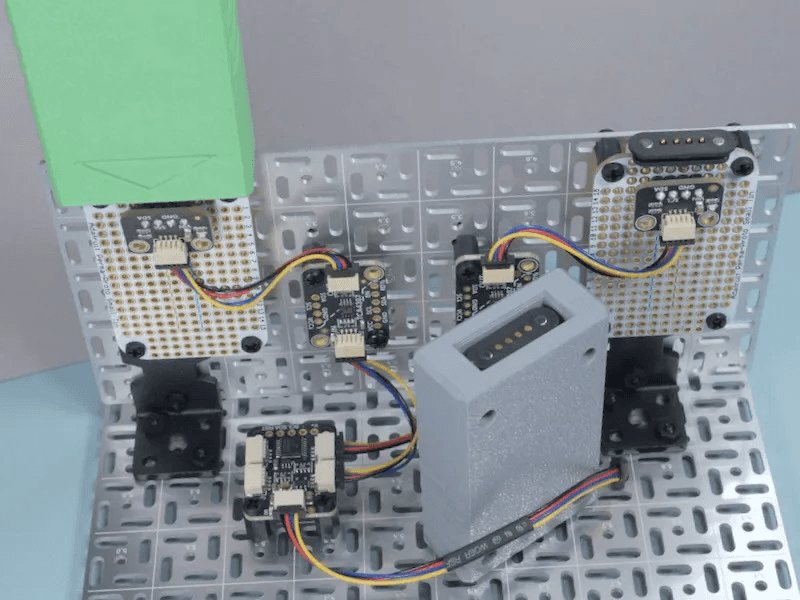
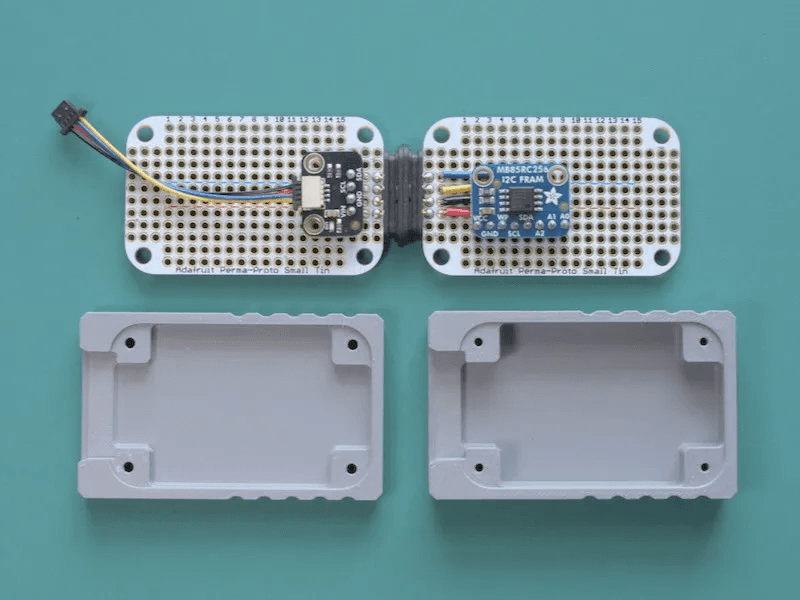

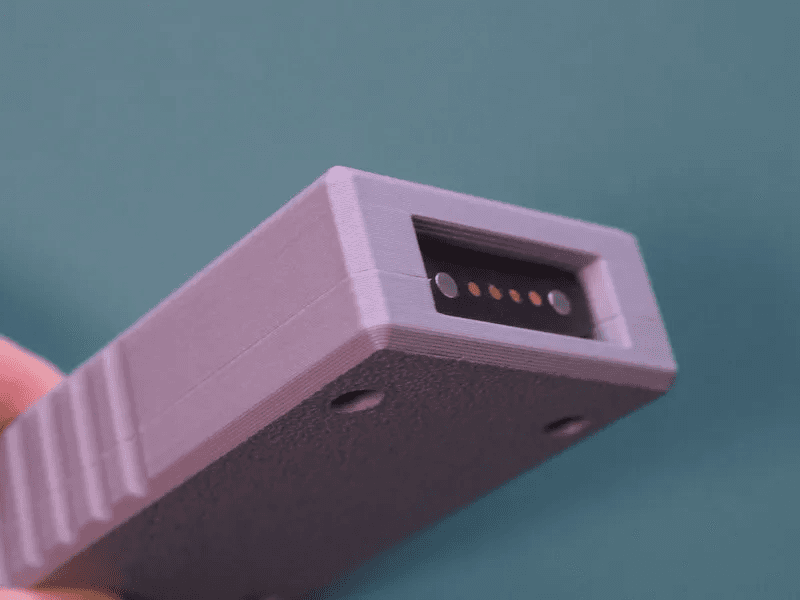
The project uses modular memory card slots designed for easy insertion and removal while maintaining reliable electrical connections. Each card is configured to interface seamlessly with the Fruit Jam platform, supporting both read and write operations without interrupting ongoing processes.
Circuit design includes protective diodes and logic-level buffering to prevent accidental data corruption during swaps. Users can extend the system with multiple card slots, enabling quick access to various game states, levels, or experimental setups.
This guide provides step-by-step instructions for hardware setup, firmware configuration, and testing. It demonstrates practical applications of modular electronics, low-level interfacing, and creative problem solving, giving makers hands-on experience with hot-swappable systems and improving their workflow in interactive electronics projects.
The project uses modular memory card slots designed for easy insertion and removal while maintaining reliable electrical connections. Each card is configured to interface seamlessly with the Fruit Jam platform, supporting both read and write operations without interrupting ongoing processes.
Circuit design includes protective diodes and logic-level buffering to prevent accidental data corruption during swaps. Users can extend the system with multiple card slots, enabling quick access to various game states, levels, or experimental setups.
This guide provides step-by-step instructions for hardware setup, firmware configuration, and testing. It demonstrates practical applications of modular electronics, low-level interfacing, and creative problem solving, giving makers hands-on experience with hot-swappable systems and improving their workflow in interactive electronics projects.